3rd August 2026
Evidence-In-Health Conference 2026 Advocates Stronger Evidence-Based Health Policy and Practice in Ghana
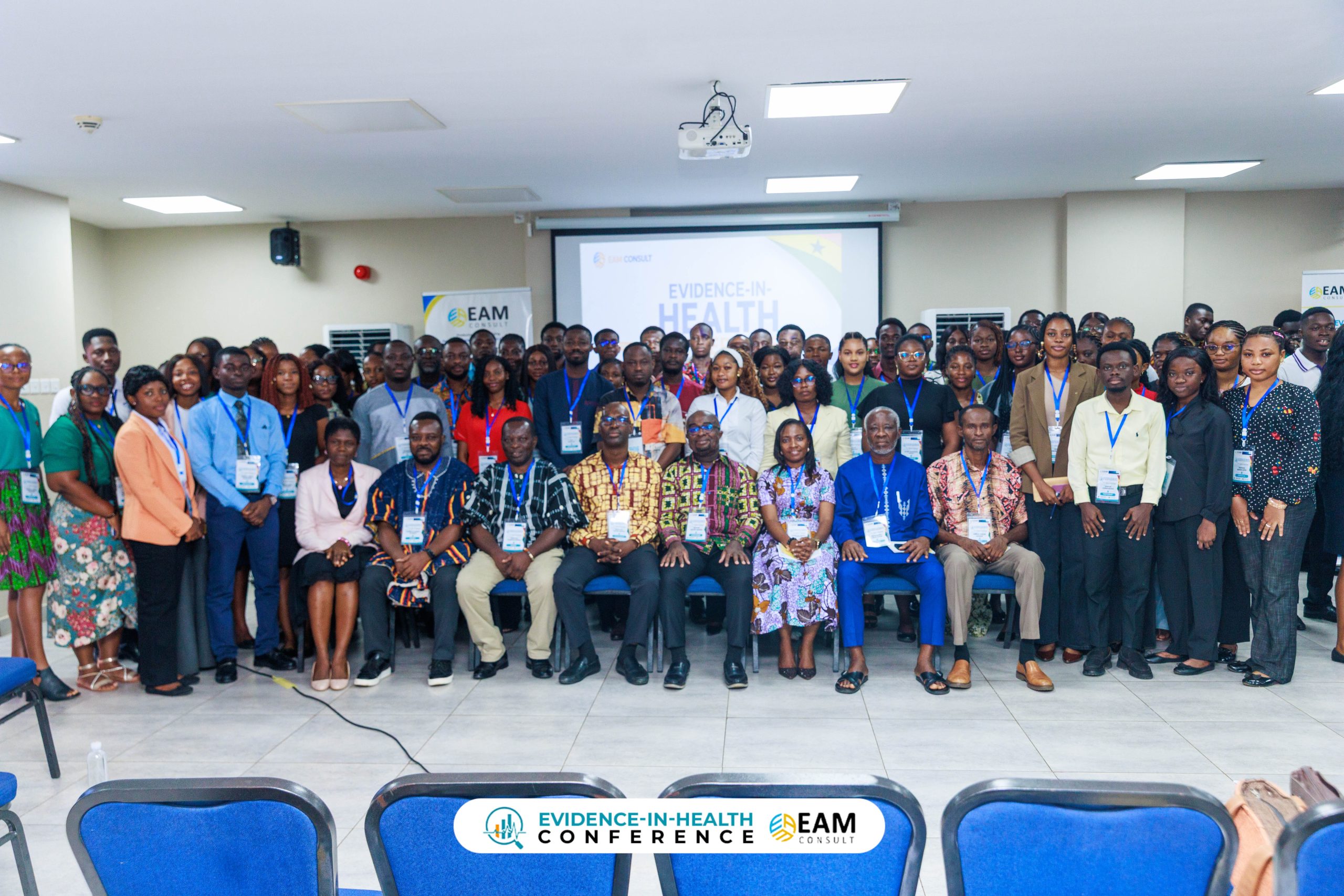
Kumasi, July 25 – Stakeholders in Ghana’s health and research sectors have called for greater investment in evidence synthesis to strengthen health policy formulation, clinical practice, and decision-making across the country. The call was made at the maiden Evidence-In-Health Conference 2026, organized and funded by EAM Consult in Kumasi under the theme: “Strengthening Evidence Synthesis for Health Policy and Practice in Ghana.”
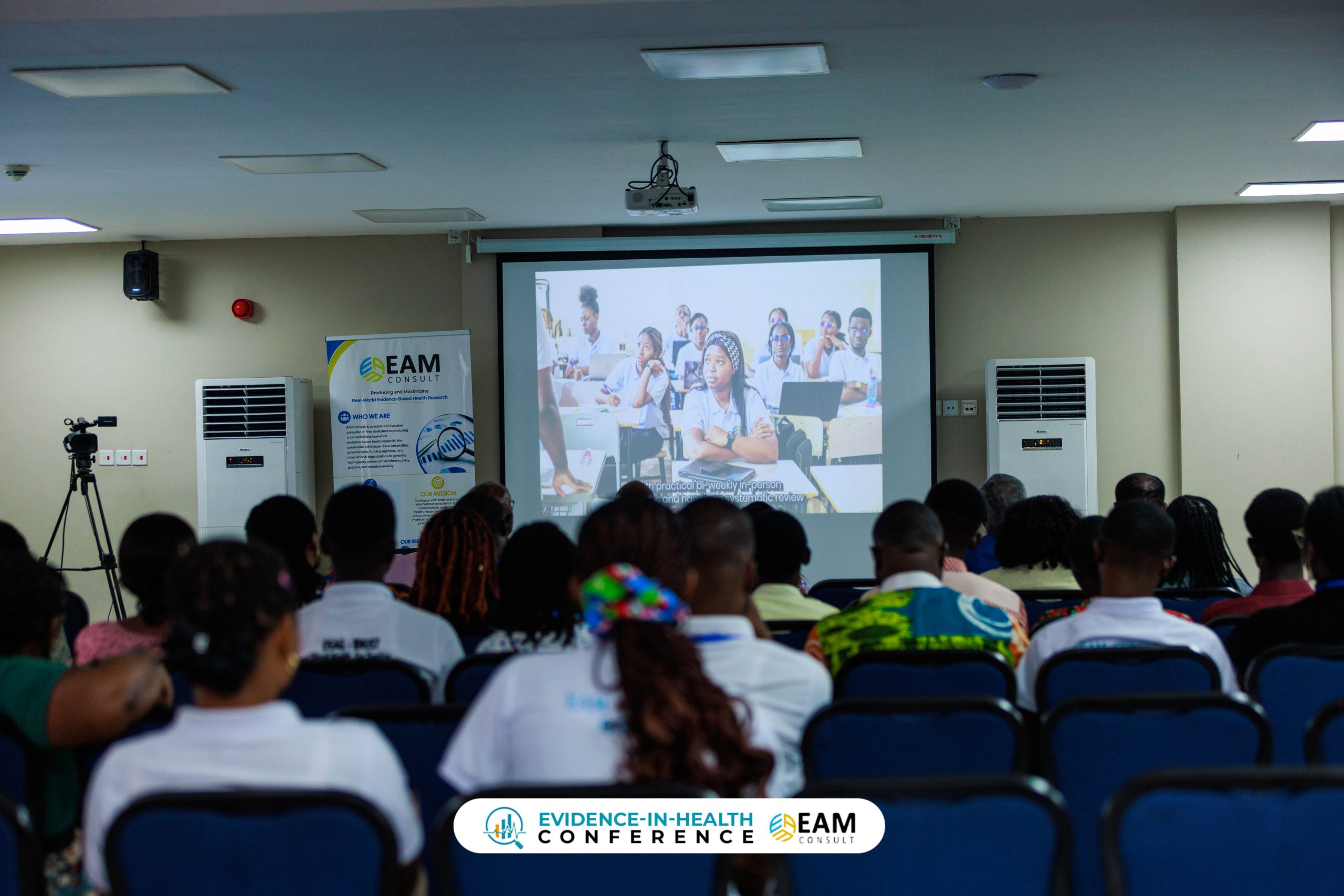
The conference brought together researchers, healthcare professionals, policymakers, academics, students, and development partners to discuss strategies for promoting evidence-informed healthcare and building national capacity in evidence synthesis.
Delivering the welcome address, Dr. Eldad Agyei-Manu, Founder and Chief Executive Officer of EAM Consult, said healthcare decisions should be guided by credible scientific evidence rather than assumptions or convenience. “Healthcare decisions should not be based on assumptions or convenience. They should be grounded in the best available evidence,” he stated. He observed that although Africa had witnessed remarkable growth in health research, considerable gaps remained in the generation, synthesis, translation, and utilisation of evidence within health systems. “Too often we see that valuable research findings remain confined to journals instead of influencing the decisions that affect the lives of millions,” he noted. Dr. Agyei-Manu explained that the conference was established to provide a platform for researchers, healthcare professionals, policymakers, educators, students and development partners to collaborate in strengthening evidence-informed decision-making in Ghana and across Africa. He urged participants to engage actively in discussions, share experiences, build partnerships and contribute towards developing stronger evidence ecosystems capable of improving healthcare delivery.
Prof. Mohammed Abdul-Kabir, Head of the Department of Optometry and Visual Science at the Kwame Nkrumah University of Science and Technology (KNUST), commended Dr. Agyei-Manu for his leadership and commitment to mentoring young researchers. “We are proud of our product,” he remarked, adding that the Department had recognized Dr. Agyei-Manu’s leadership potential from his student days and would continue to support his efforts in research capacity building. He expressed confidence that the conference would achieve its intended objectives and contribute significantly to strengthening evidence-informed healthcare in Ghana.
Speaking on disability inclusion in research, Prof. Wisdom Kwadwo Mprah, Head of the Department of Health Promotion and Disability Studies at KNUST, stressed the need for evidence synthesis to adequately reflect the experiences of persons with disabilities. He said strengthening evidence synthesis requires bridging the gap between academic research and public health decision-making while ensuring that vulnerable populations are not excluded from research processes. “Standard evidence synthesis is failing the most vulnerable in Ghana,” he said, explaining that many reviews overlooked issues such as physical accessibility and the attitudes of healthcare providers towards persons with disabilities. Prof. Mprah called for disability-inclusive evidence synthesis, urging researchers to adopt the principle of “Nothing about us without us” by actively involving persons with disabilities and their representative organizations as co-researchers and reviewers.
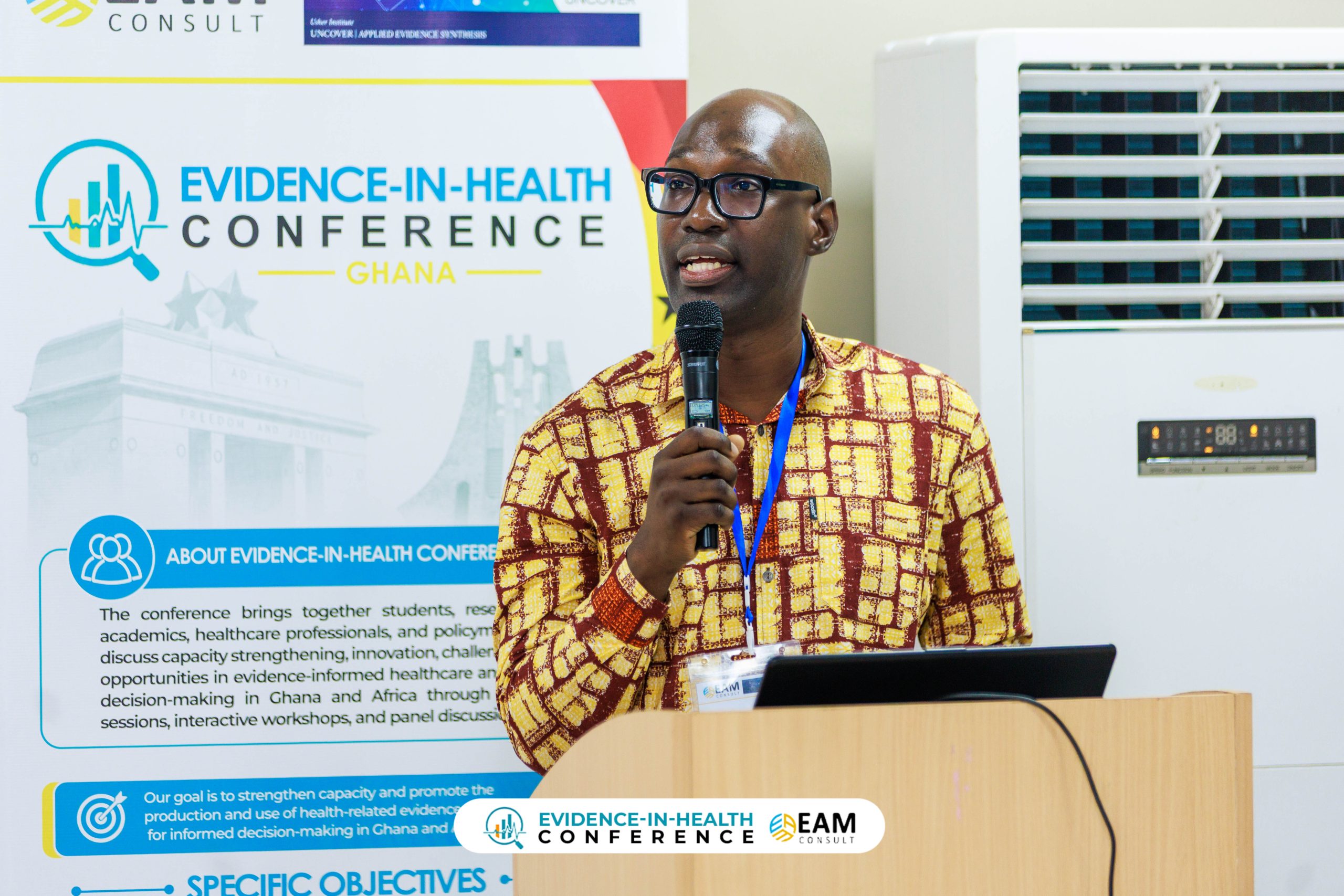
Delivering the keynote address, Dr. Kwadwo Owusu Akuffo, Senior Lecturer at the Department of Optometry and Visual Science, KNUST, said the rapid growth in scientific publications had made evidence synthesis indispensable for effective healthcare decision-making. “The problem is no longer the absence of evidence. Rather, it is knowing which evidence to trust,” he stated. He explained that evidence synthesis systematically combines findings from multiple studies to provide reliable conclusions for clinical practice, policy formulation and healthcare planning. According to him, evidence synthesis remains the gold standard for answering focused clinical questions and enables policymakers to make decisions based on the totality of available evidence rather than isolated studies. Dr. Akuffo further called for increased investment in graduate training, national evidence synthesis centers and stronger collaboration between researchers and policymakers to improve the uptake of evidence in Ghana. “Evidence synthesis is not a luxury; it is an ethical foundation for health policy. When the best available evidence backs health decisions, people live longer and healthier lives,” he said.
In a recorded fraternal message, Dr. Ruth McQuillan, Co-Lead of UNCOVER Applied Evidence Synthesis at the University of Edinburgh (UK), described the conference as an important step towards strengthening Ghana’s evidence ecosystem. She said the conference would expose participants to practical evidence synthesis methods while helping to establish a network of professionals committed to evidence-based public health. “We hope that this conference will start to build a network of people who will champion evidence-based approaches to health policy and practice in Ghana,” she said. Dr. McQuillin also acknowledged Dr. Agyei-Manu’s contributions to evidence synthesis through his work with UNCOVER, describing him as one of the group’s “star members” and commending his leadership in establishing the Capacity Building for Evidence Synthesis Programme (CBESP) in Ghana.
Also addressing the conference, Dr. Sheila Agyemang-Opong, representing the President & CEO of the International Centre for Evaluation and Development (ICED), Dr. David Sarfo Ameyaw, reaffirmed the organization’s commitment to supporting evidence generation and utilisation across Africa. She said effective policymaking depends on ensuring that research evidence reaches decision-makers. “Good policy starts with good evidence, and evidence only matters when it reaches people who make decisions,” she stated. Dr. Agyemang-Opong advocated stronger collaboration among research institutions to produce African-led evidence capable of addressing the continent’s development priorities.
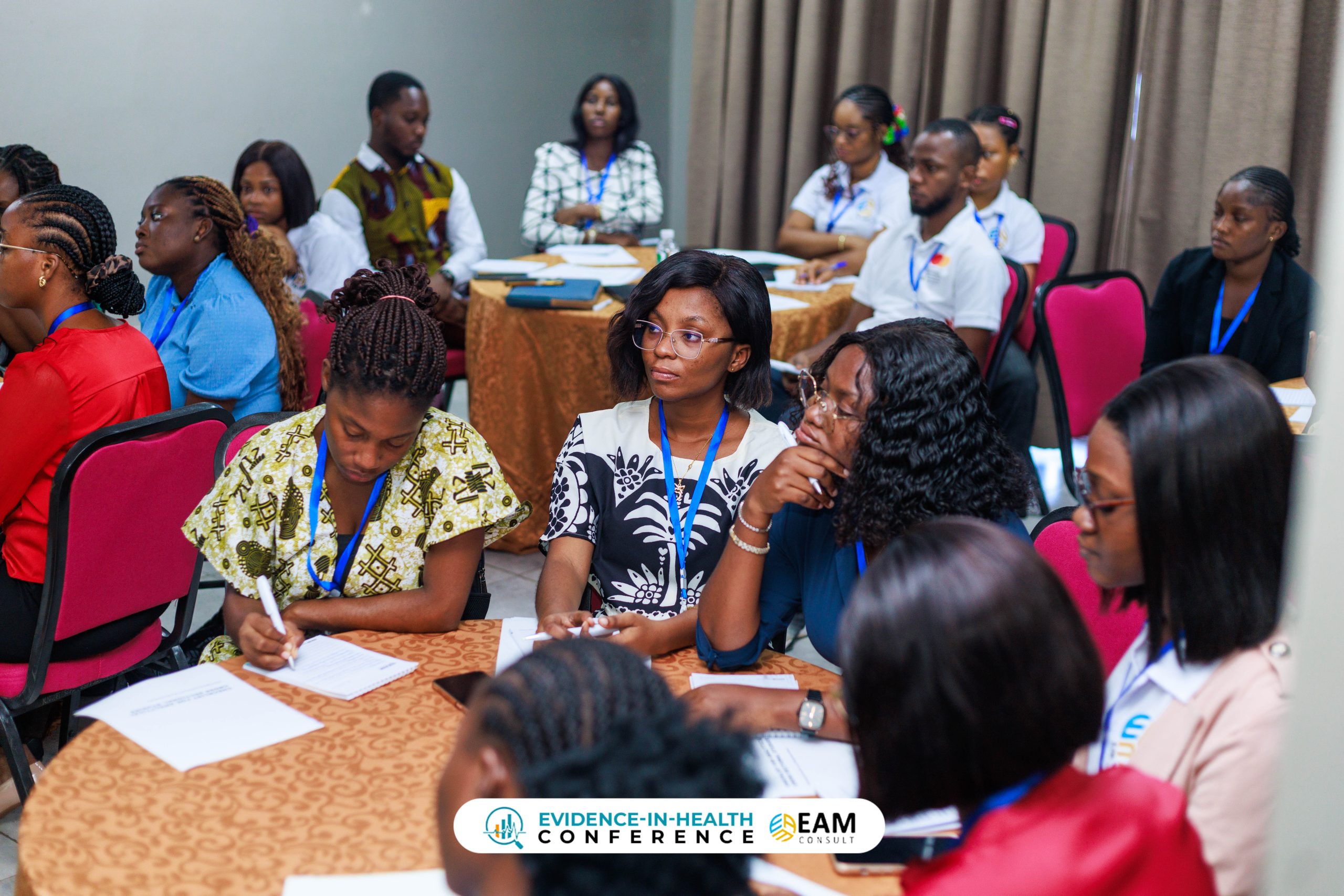
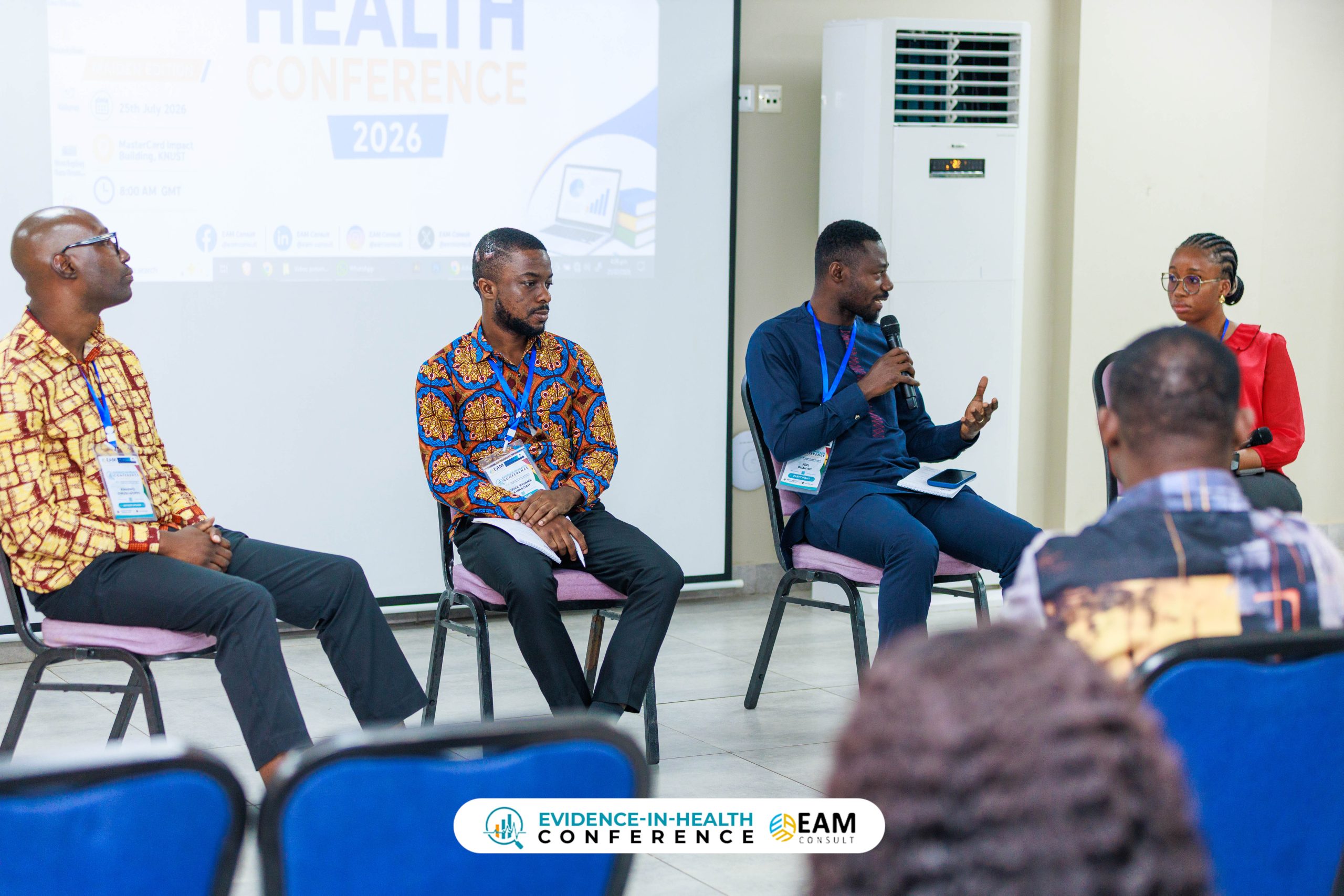
Participants later took part in scientific presentations, guest lectures, practical workshop trainings and panel discussions focused on strengthening evidence synthesis for health policy and practice in Ghana and beyond. The presentations covered evidence synthesis methodologies, artificial intelligence applications, systematic reviews, and policy engagement. The three practical workshop trainings covered key stages of an evidence synthesis: formulating a research question, building search strategies, and critical appraisal. A panel discussion examined the research, training and practice perspectives on strengthening capacity for evidence-informed health policy and decision-making in Ghana. The conference formed part of broader efforts by EAM Consult and its partners to strengthen evidence-informed healthcare and develop the next generation of evidence synthesis practitioners in Ghana and across Africa.
———————————————————————————————————————————————————————————
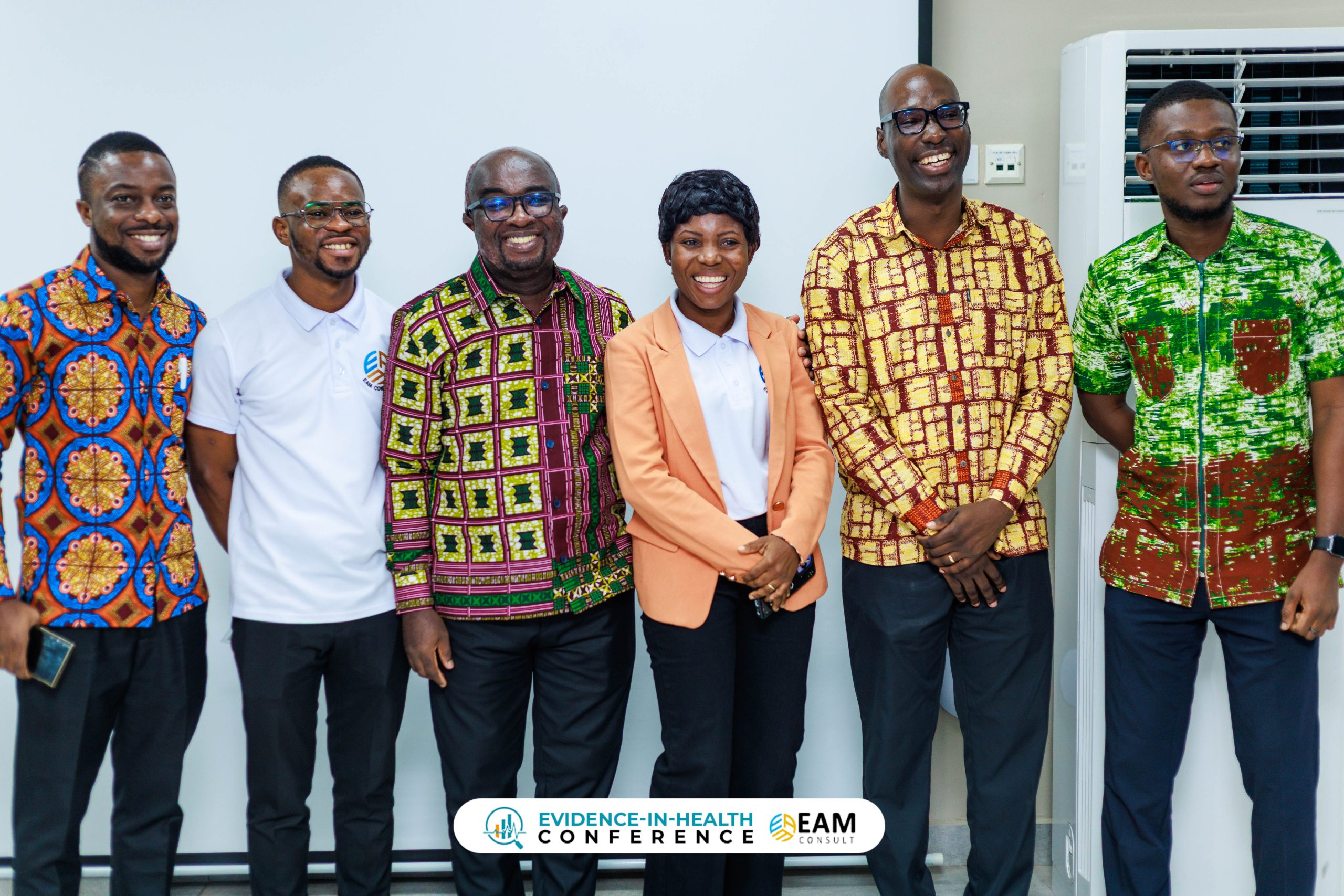
Please see below excerpts from the Conference. You can re-watch proceedings from the Conference on YouTube via this link: Evidence-In-Health Conference 2026.
Photo credit: EAM Consult

Dr. Eldad Agyei-Manu
(Founder & CEO, EAM Consult)


Prof. Mohammed Abdul-Kabir
(Head of Department, Department of Optometry and Visual Science, KNUST)

Prof. Wisdom Kwadwo Mprah
(Head of Department, Department of Health Promotion and Disability Studies, KNUST)

GHAMSU Choir, KNUST
Dr. Kwadwo Owusu Akuffo
(Senior Lecturer, Department of Optometry & Visual Science, KNUST, Ghana)

Dr. Ruth McQuillan
(Co-Lead, UNCOVER, University of Edinburgh, UK)


Dr. Adwoa Gyamfi
(Lecturer, School of Nursing & Midwifery, KNUST)

Dr. Sheila Agyemang Oppong
(Research & Evidence Synthesis Fellow, International Centre for Evaluation and Development [ICED], Ghana)